From fishing village to living harbour town
The history of Lohals
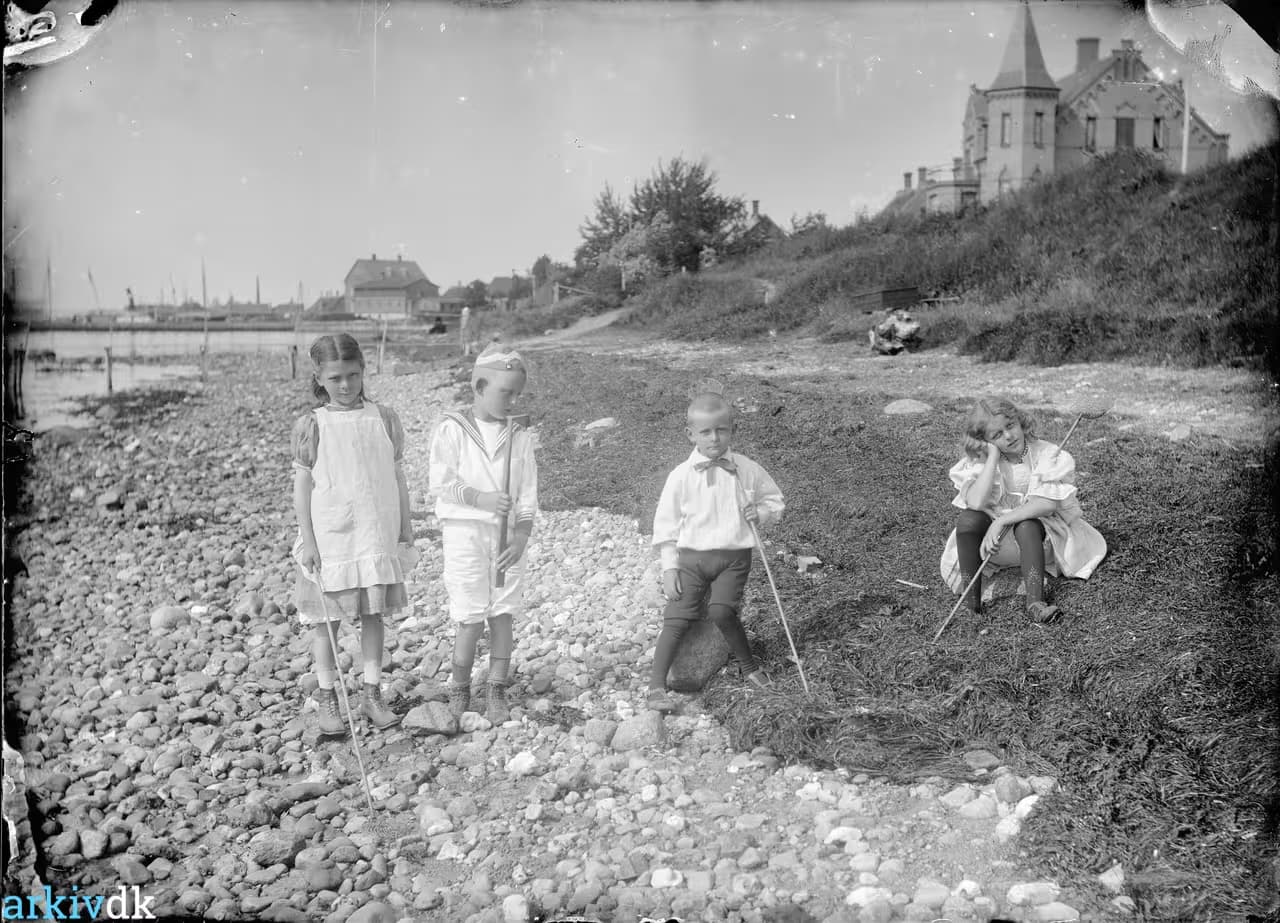
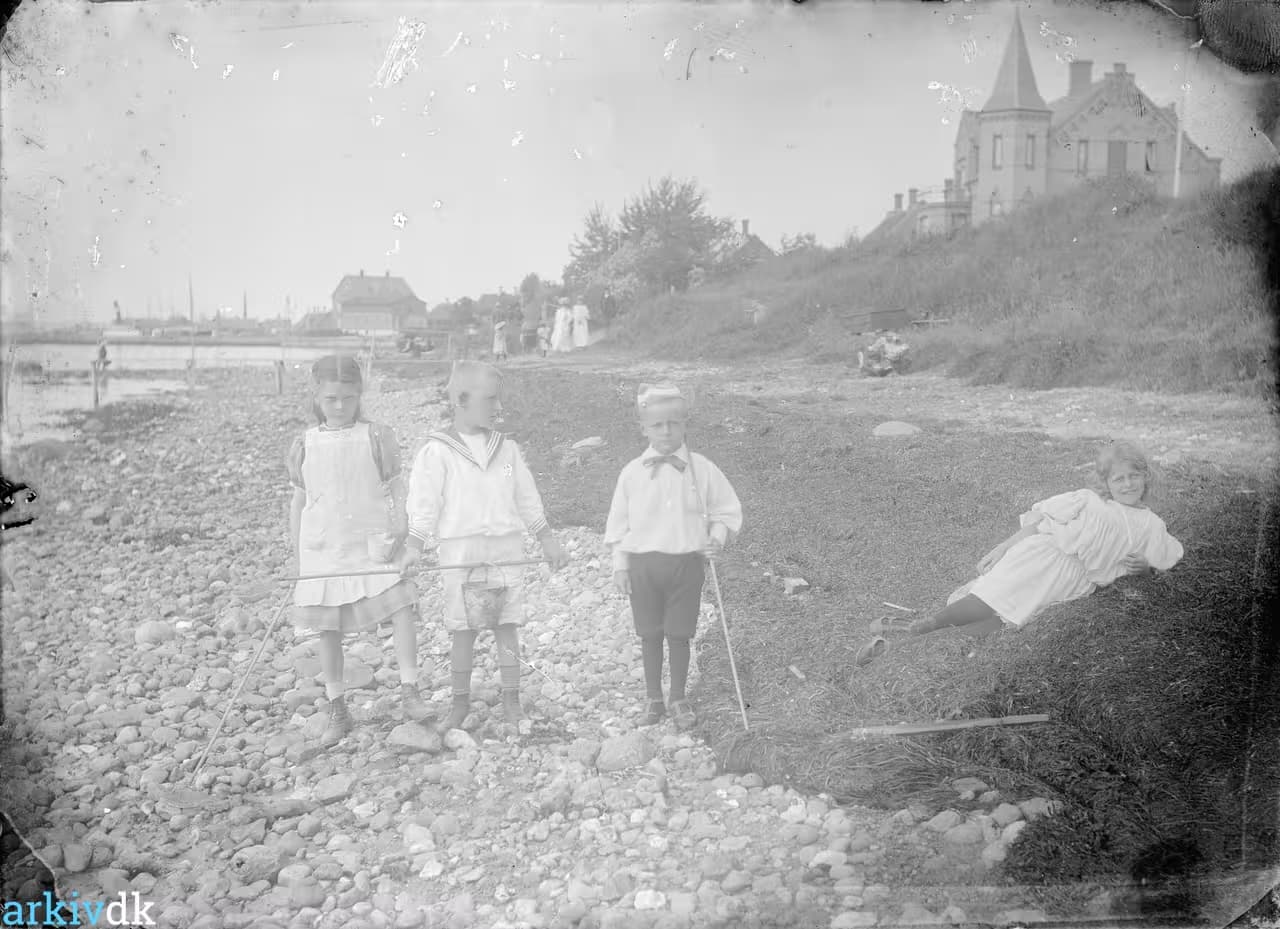
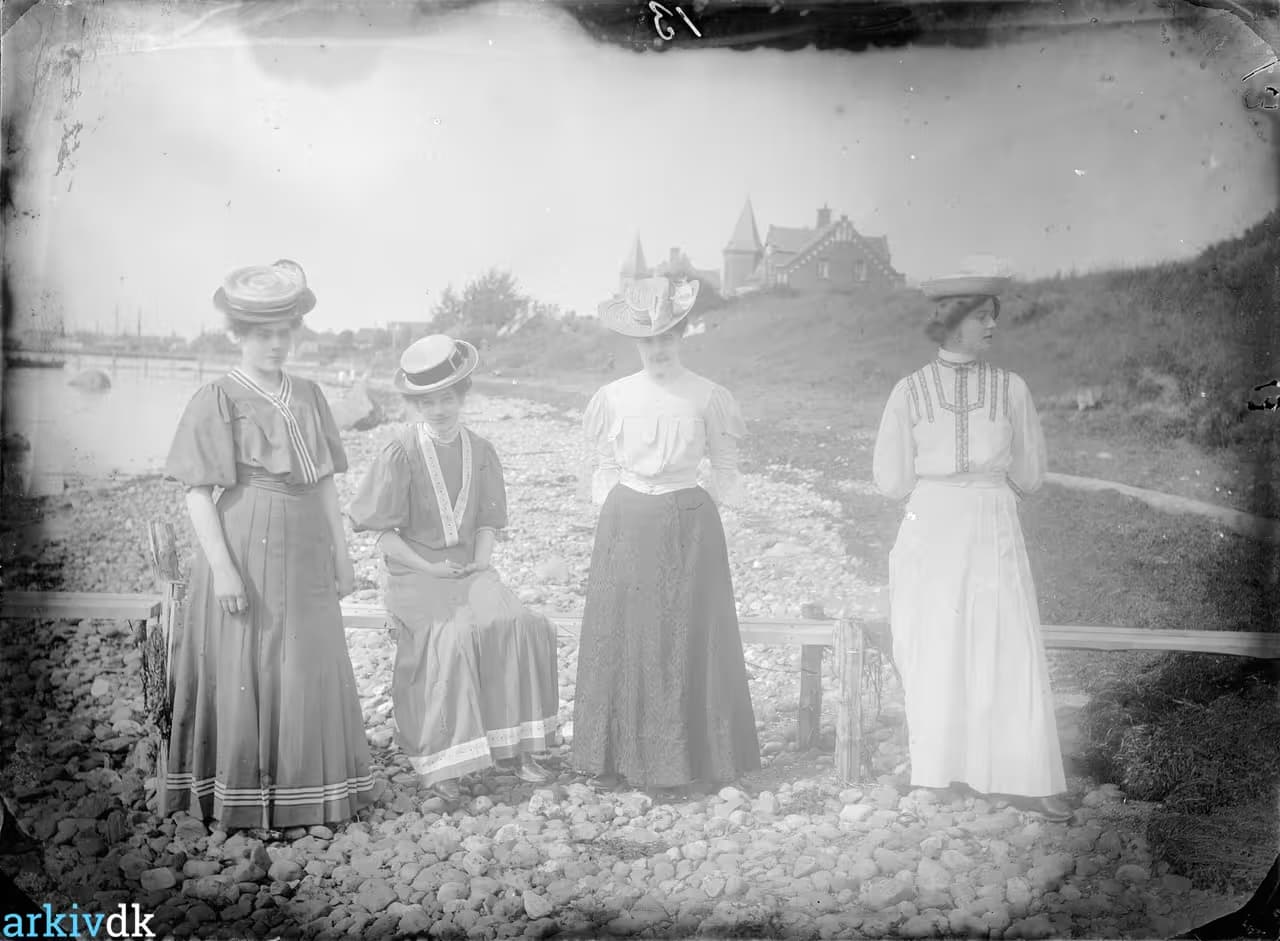
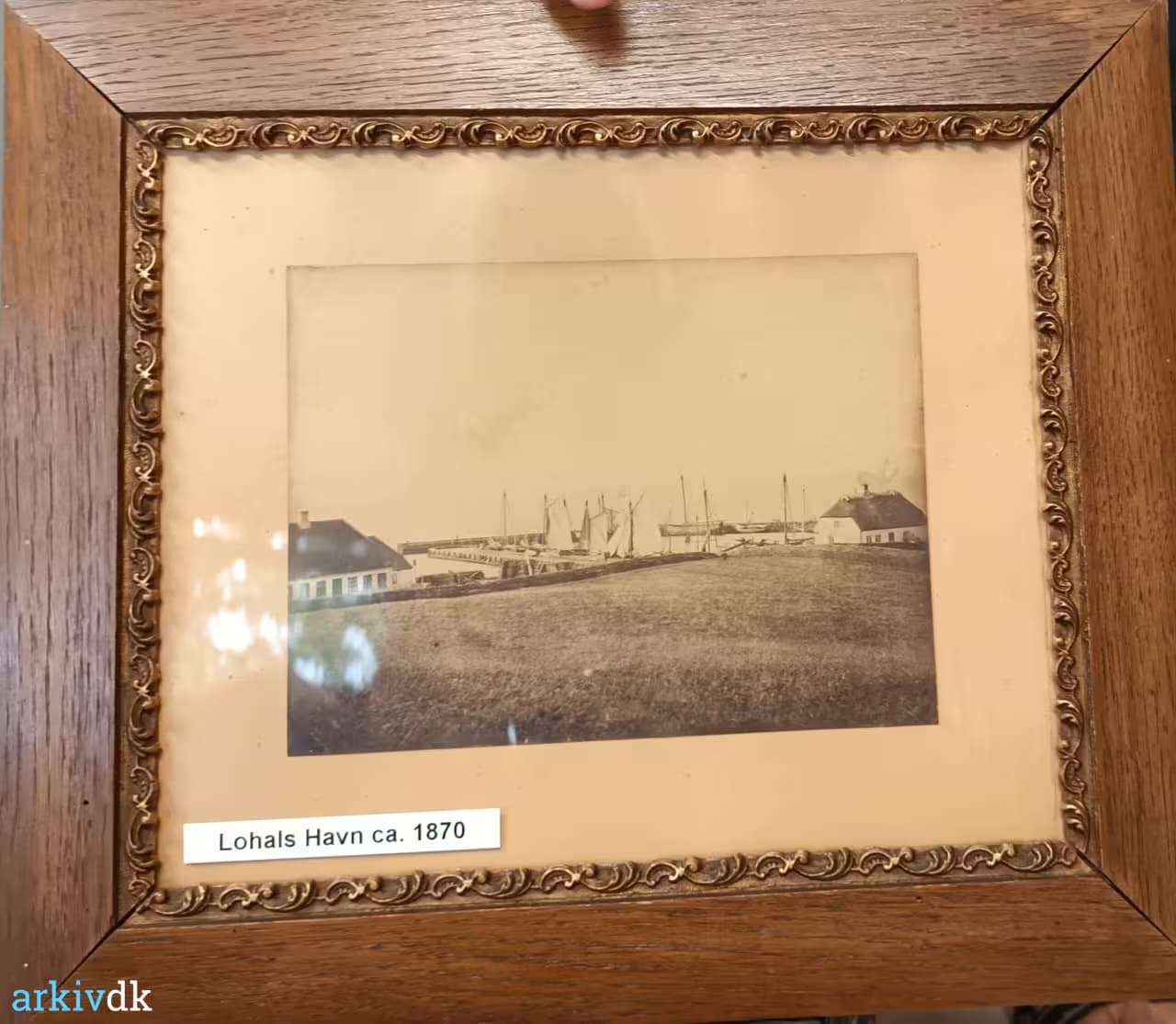
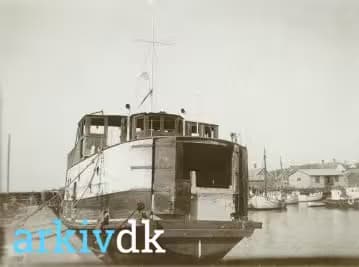
Foto: ukendt fotograf. Nordlangelands Lokalhistoriske Arkiv
There are places that grow up quietly – not as plans on a map, but as natural meeting points between people and landscape. Lohals is one of them. Here at the northern tip of Langeland, where the sea has always been close and the land flat and windswept, a small community slowly took shape. A place not created by power or wealth, but by people who found meaning in the simple things: fishing, trade, community – and the sea as an eternal neighbour.
The name and the nature
The name Lohals is documented as far back as 1664, when it was written "Louhalsz". There is no doubt about "hals" – it means a narrow spit of land or the narrow channel stretching out towards the sea, exactly as the place still lies today. The "Lo" part, however, is more uncertain. Some believe it relates to "eng" (meadow) or low-lying grassland; others point to a connection with "lods" – meaning the piloting of ships through the narrow strait. The truth is that no one knows for certain, and perhaps that fits a place whose history has been shaped as much by the sea as by the land.
The oldest concrete traces of people in the area are far older than the town itself. Near Lohals there is a stone weighing up to 3.5 tonnes with 198 circular depressions – so-called cup marks – carved into its surface during the Bronze Age. It is among Denmark's oldest rock carvings, and the stone can still be seen today. It doesn't tell the story of Lohals as a town, but it's a reminder that people have moved through and left traces on this coast for several thousand years, long before anyone called the place by name.
The birth of the fishing village
Lohals's history as a place of trade and shipping really takes shape in 1630, when the place was officially recognised as a legal shipping point for goods and people. Agricultural products from the hinterland were carried to the water by horse-drawn cart and transferred to flat-bottomed barges, which rowed the goods out to the larger ships that sailed on towards Copenhagen and Germany.
In the centuries that followed, fishing grew larger. Lohals lay well sheltered from the westerly wind and had a natural bay where boats could be hauled ashore. Here the fishermen built themselves huts, boathouses and smoking sheds, and a small community grew up around what the sea could provide. Cod, flatfish, eel and herring were dried, smoked or sold on, and the day followed the rhythm of the sea, not the clock.
War, cannons and a new beginning
One of the most decisive periods in Lohals's early history is linked to the Anglo-Danish Wars. From 1807, while Denmark was at war with England, a gunboat station was established in Lohals to defend the strait. When peace came in 1814, the station was decommissioned – but several of the soldiers stayed on and settled as sailors and farmers. The town took over the piers from the decommissioned station, and this became, quite unnoticed, the beginning of Lohals's first real harbour.
During the 19th century, trade grew. Rudkøbing was the island's major trading centre, but Lohals gained its own role as a shipping port for fish and agricultural goods. The first merchants settled along the coast, and suddenly one could buy coffee, sugar and spirits without sailing all the way to town. With this growth came craftsmen and small workshops – boat builders, rope makers and blacksmiths set up near the harbour, and sturdy wooden boats were built for fishing in the Baltic Sea.
Lohals slowly began to resemble a town. Not planned – just grown, the way life itself tends to. On Sundays, people went to church in Stoense, and in the evenings they gathered in small parlours, where stories passed from mouth to mouth.
The harbour that changed everything
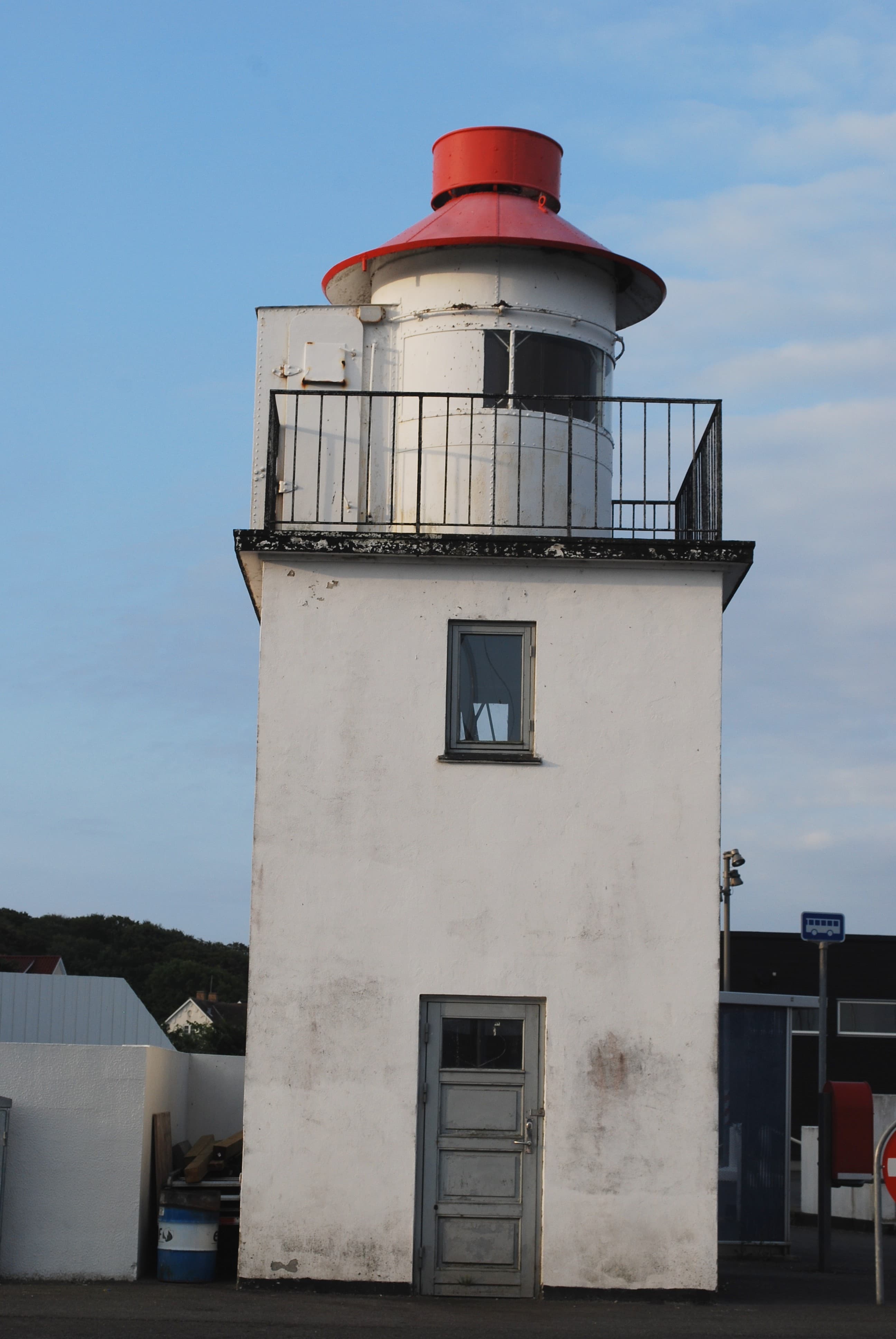
The old piers from the time of the gunboat station were by now worn out and impractical, especially in winter. In 1860, a group of skippers and merchants joined together to found a joint-stock company with a single purpose: to build Lohals a proper harbour. Three years later, in 1863, the new harbour with a pier and a breakwater to the north was inaugurated. It marked the start of an entirely new era.
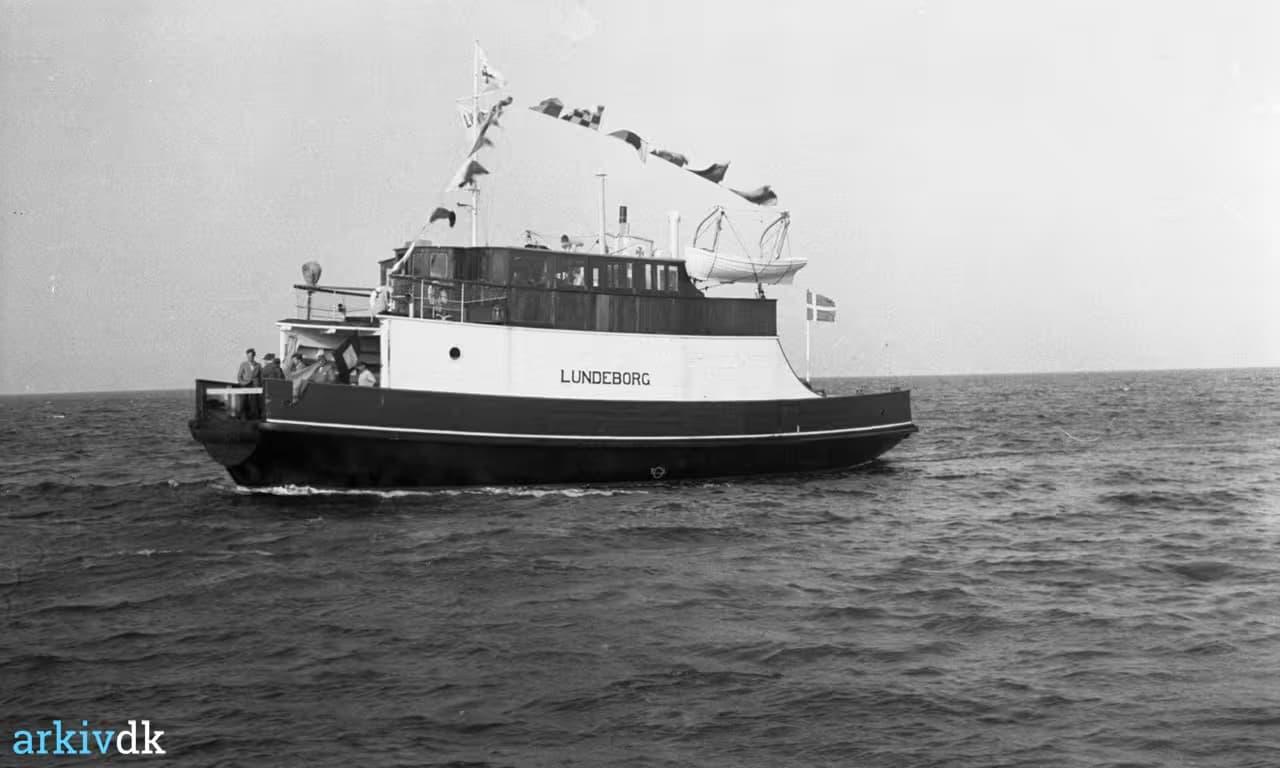
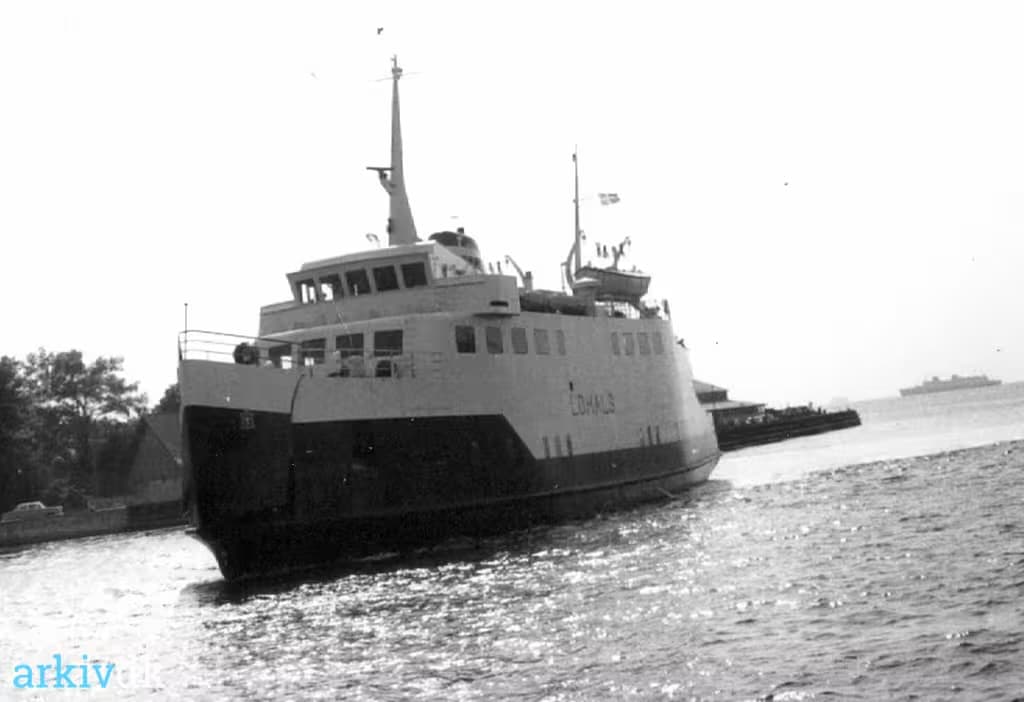
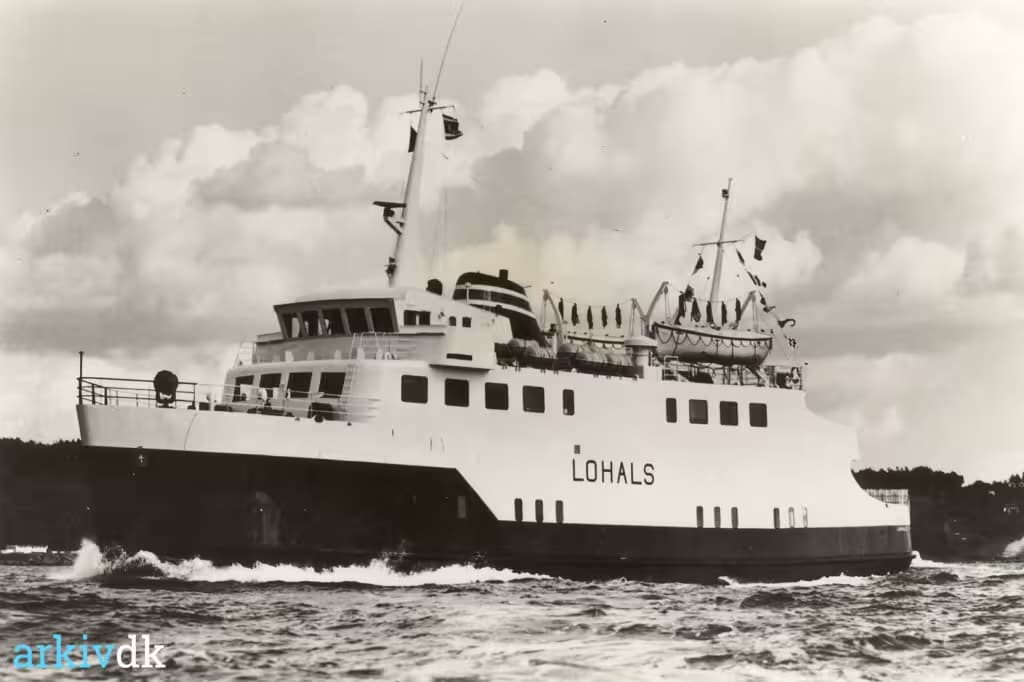
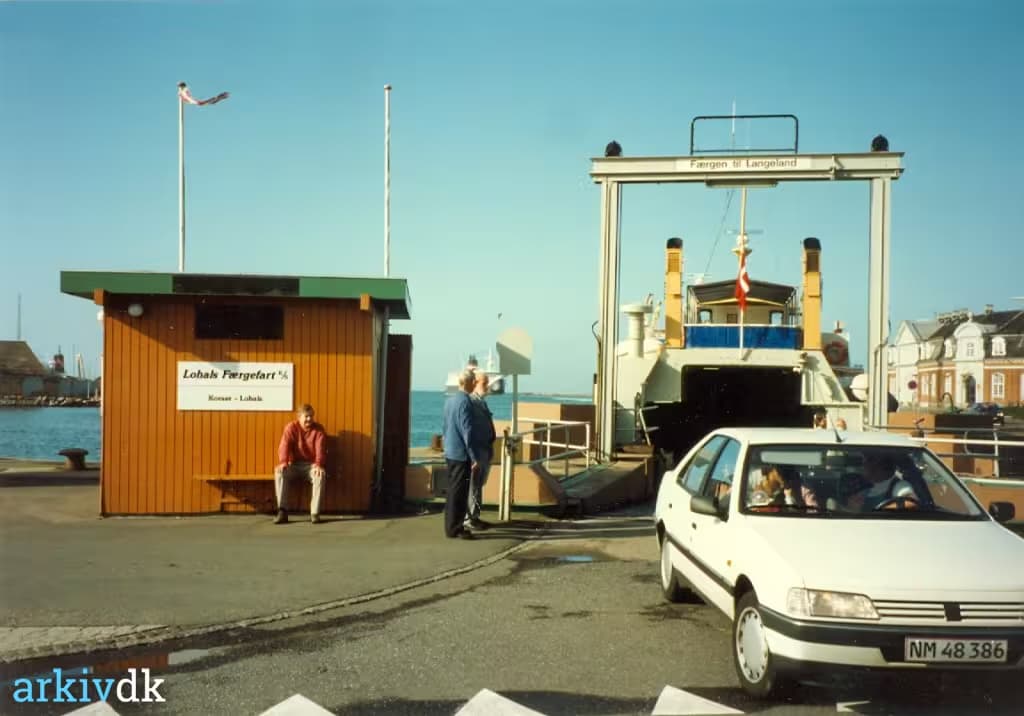
In 1889, ferries began docking directly at the harbour itself instead of being met by rowing boats out in the roadstead, and in 1929 the car ferry arrived on the route to Korsør. With the harbour came life in earnest: merchants, inns and workshops sprang up, and Lohals became a hub for trade, post and transport – a place where the whole area met, not just to work, but also to talk, trade and exchange news.
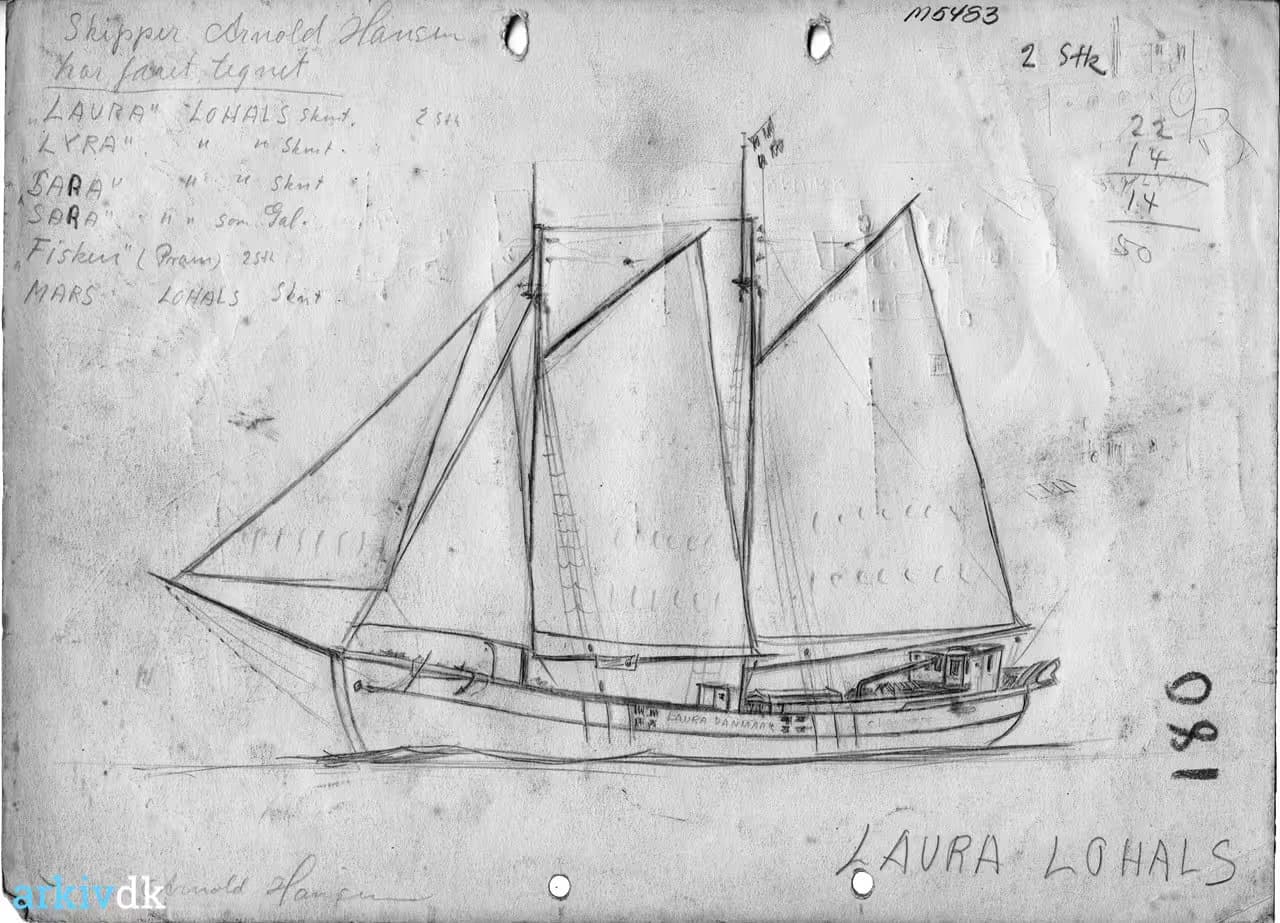
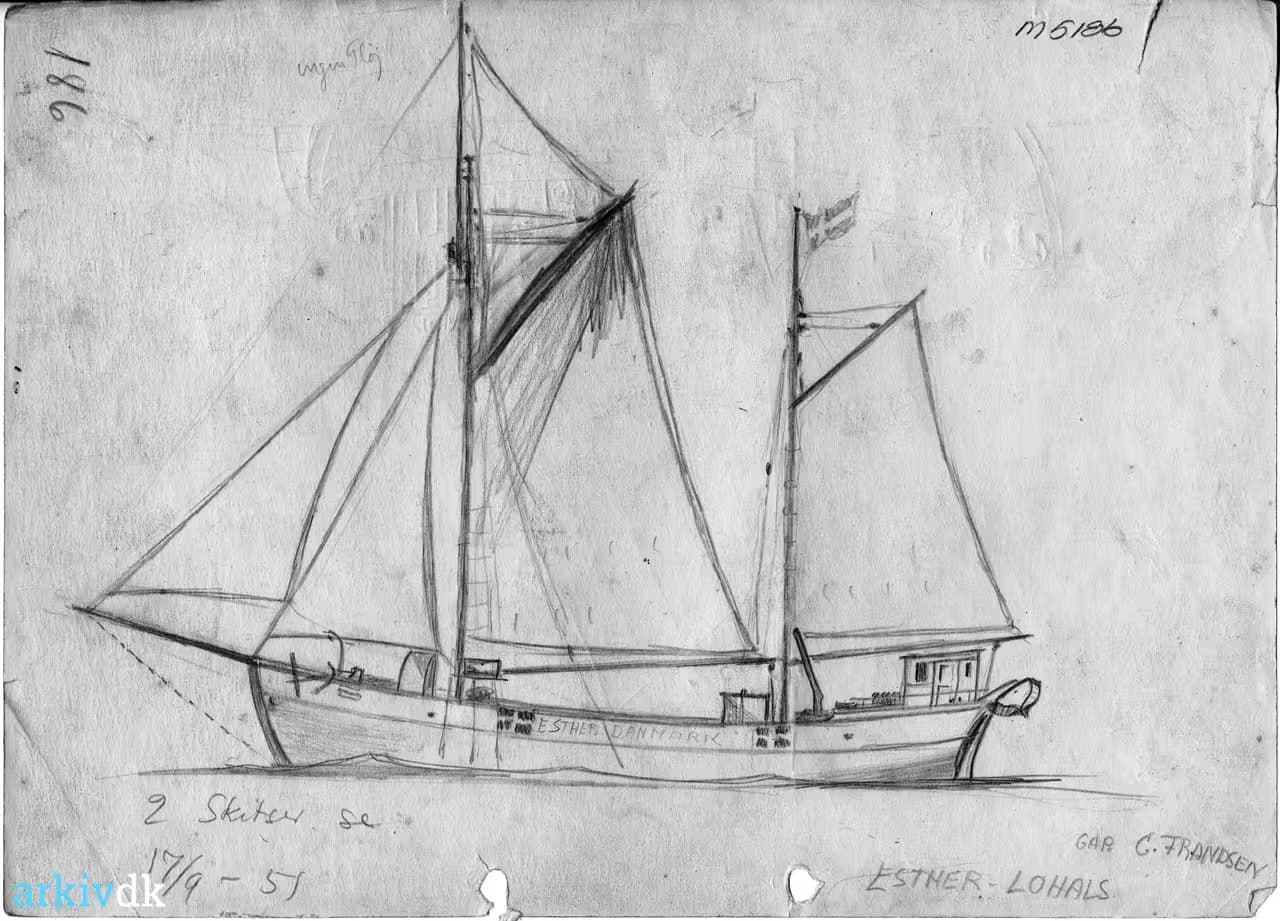
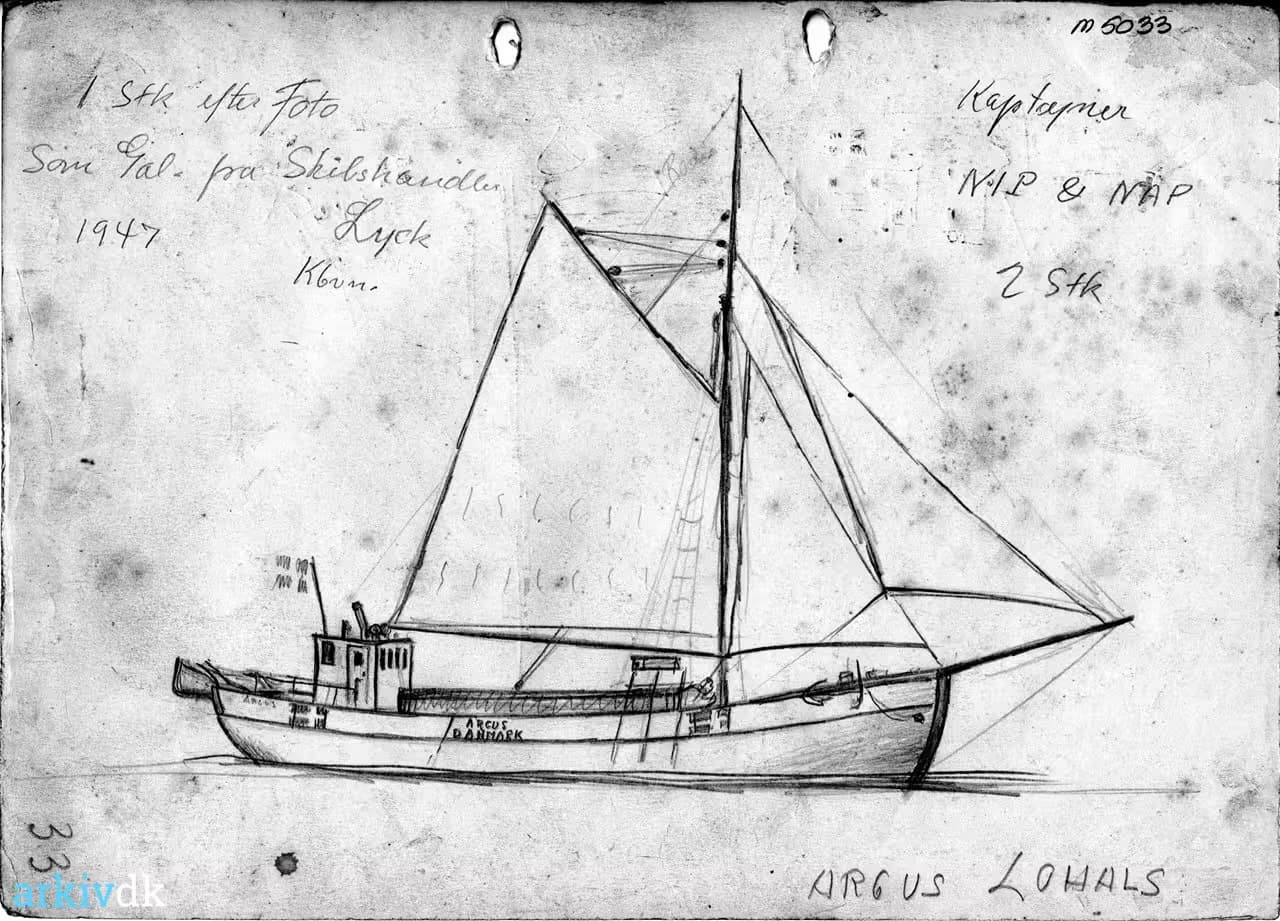
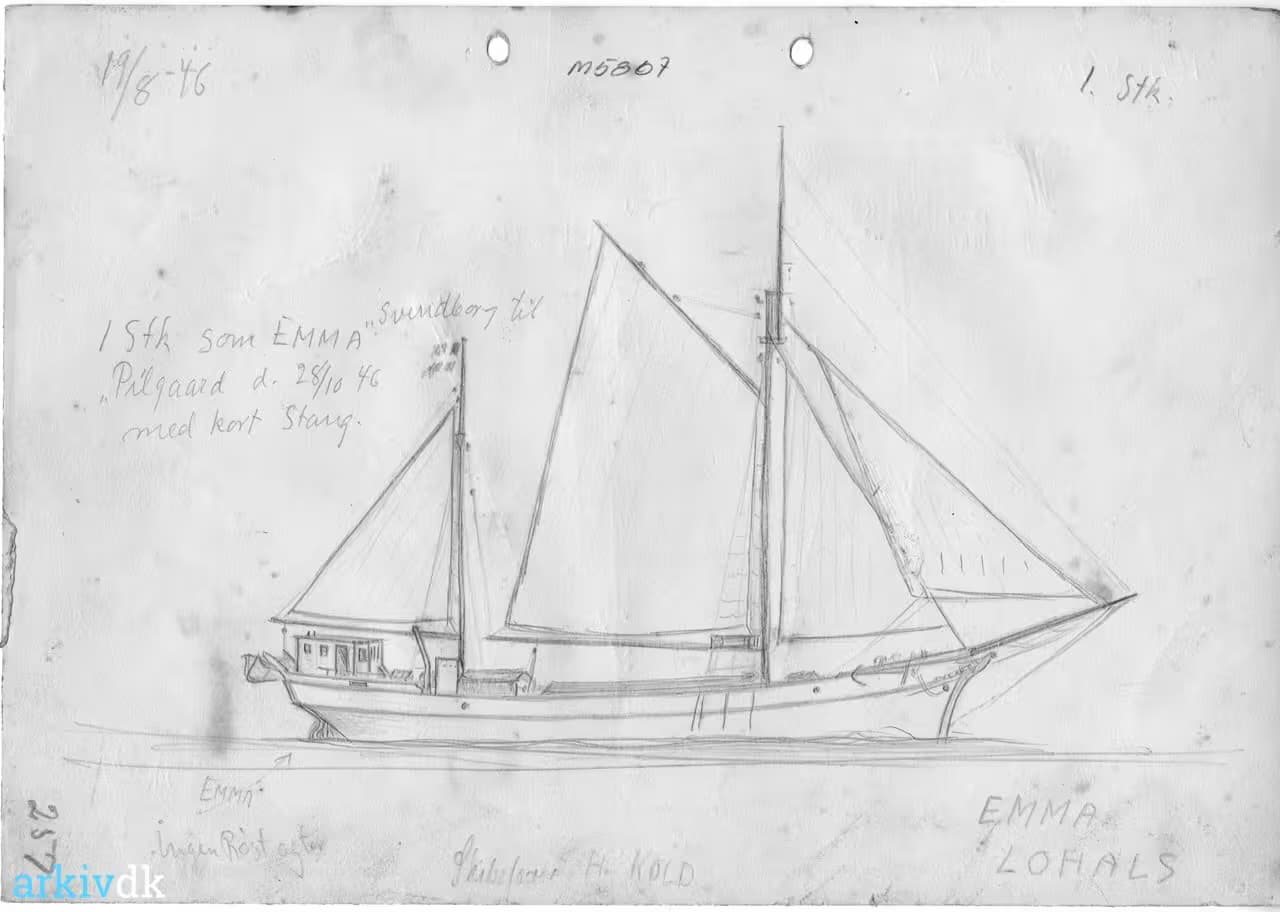
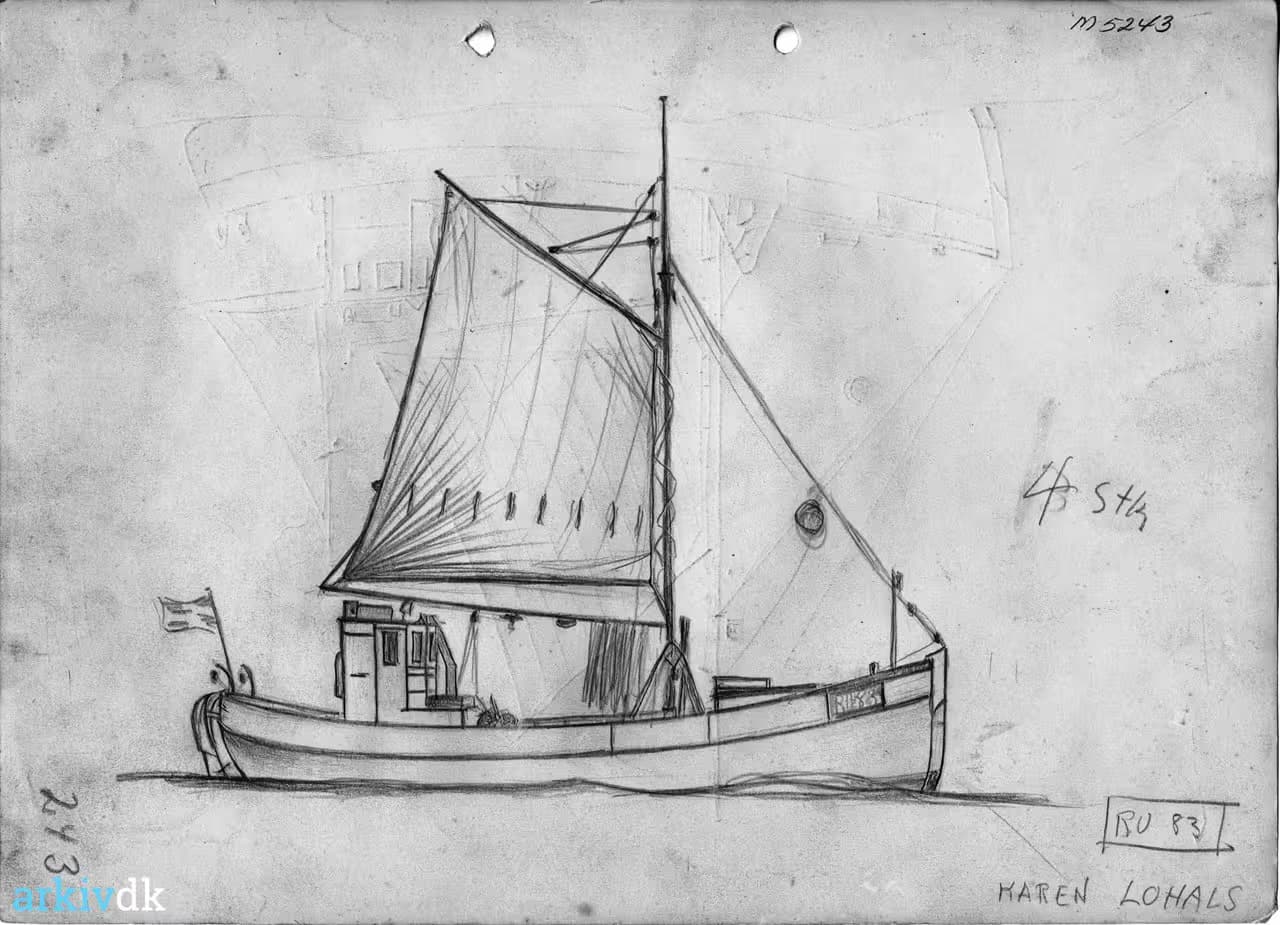
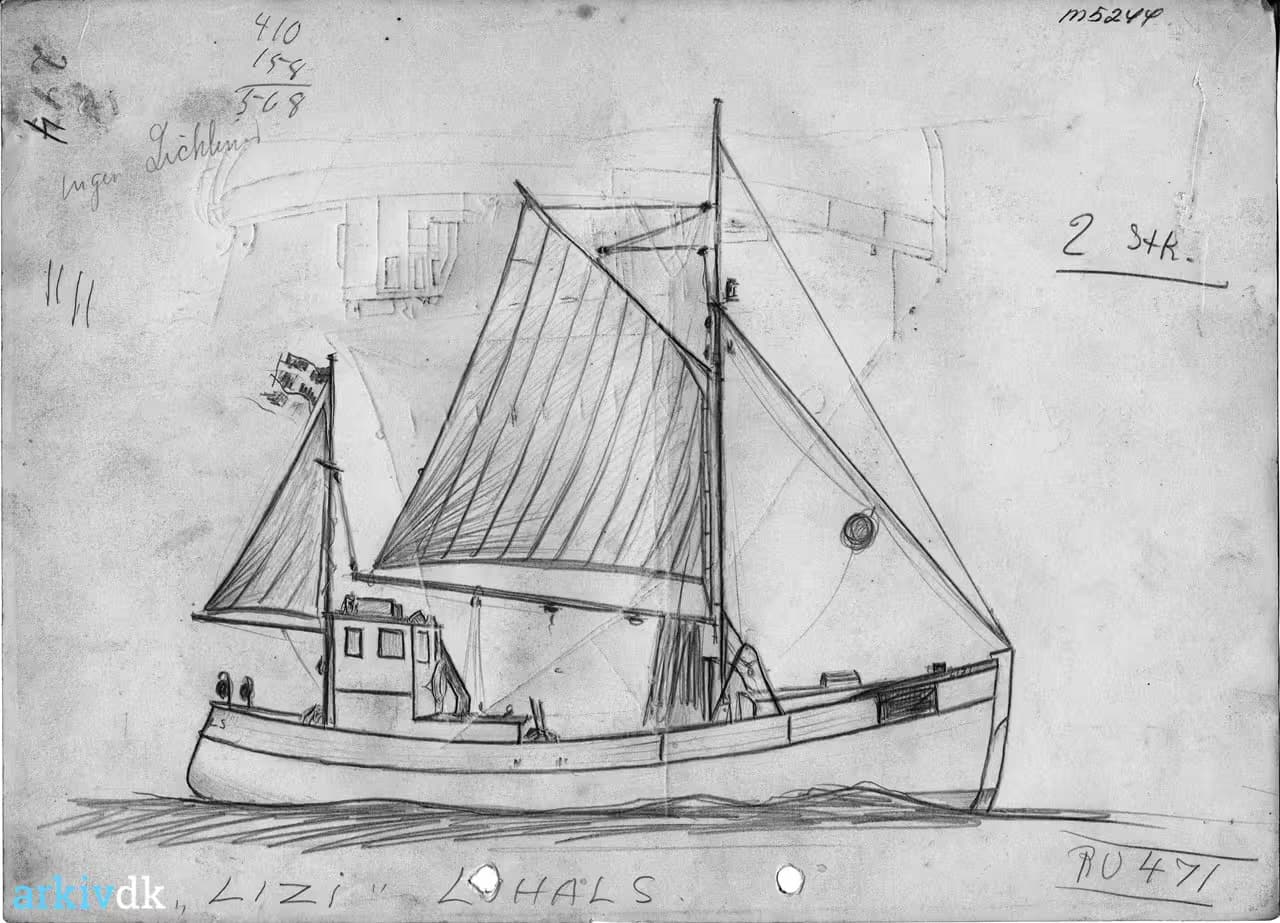
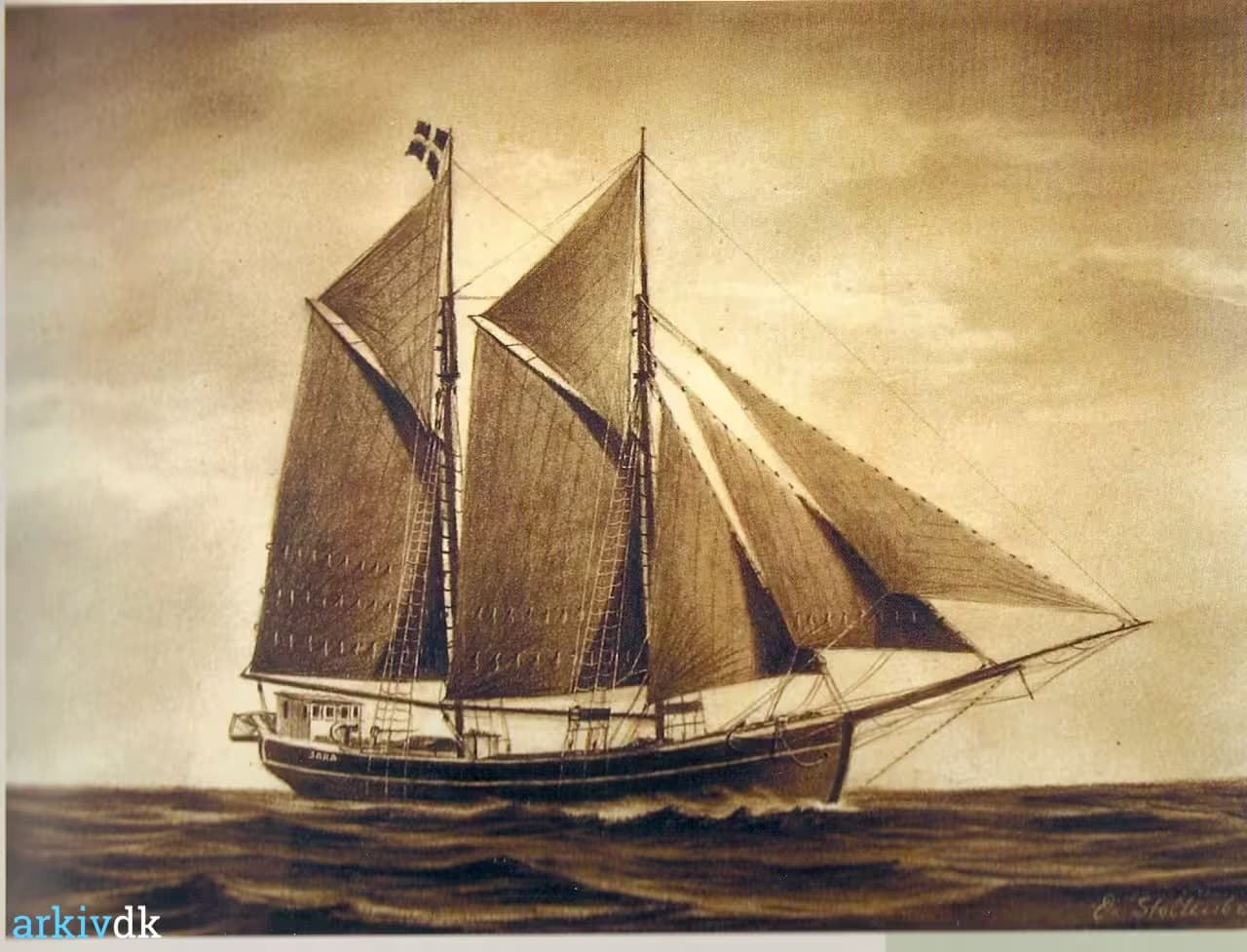
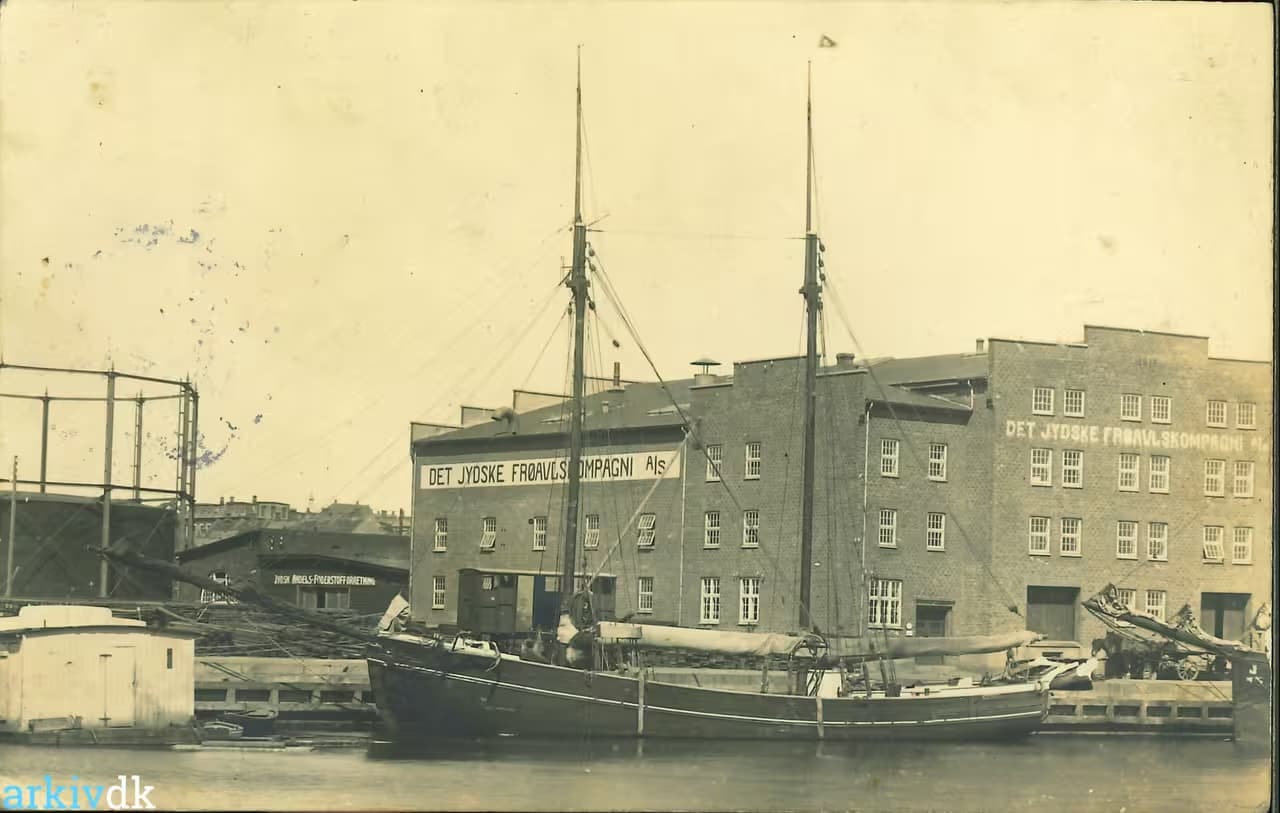
The harbour became the heart of the town – and still is. This is where children learned to swim, the men talked about the weather, and the women met to shop. Everything that happened in Lohals began or ended by the water. Ships such as Sara, Laura, Esther, Argus and Ellida all sailed under the home port of Lohals in these years – names still found in the local archives' images of the ships that carried the town's name out to sea.
From working town to holiday destination
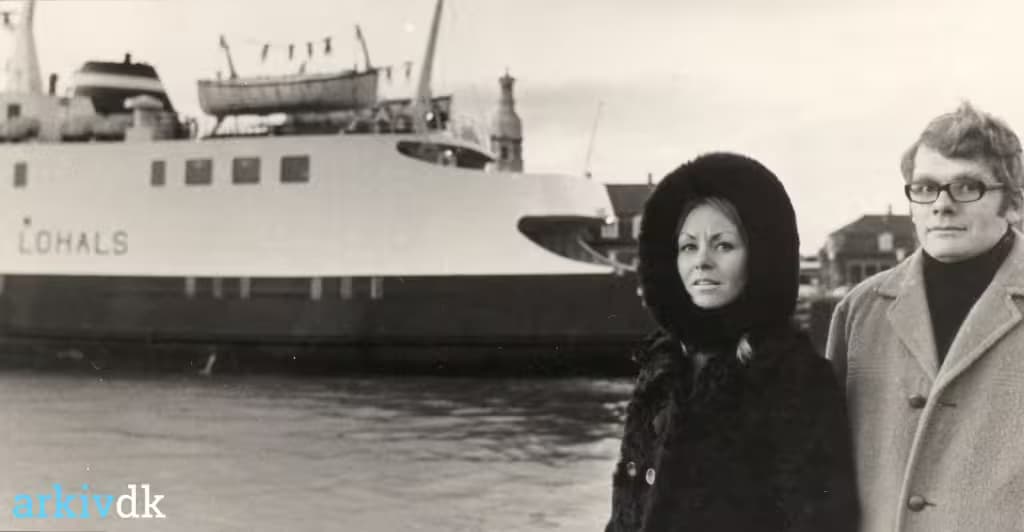
In the early 20th century, Lohals was at its maritime peak. Around 1914, some 15 ships sailed from the harbour, and by 1930 the number had grown to about 57 fishing cutters based in the town. But nothing lasts forever: as fishing gradually declined over the century, Lohals changed again. The last cargo ship was sold in 1972, and the ferry route to Korsør – which for decades had been a lifeline to the rest of the country – closed for good in 1998.
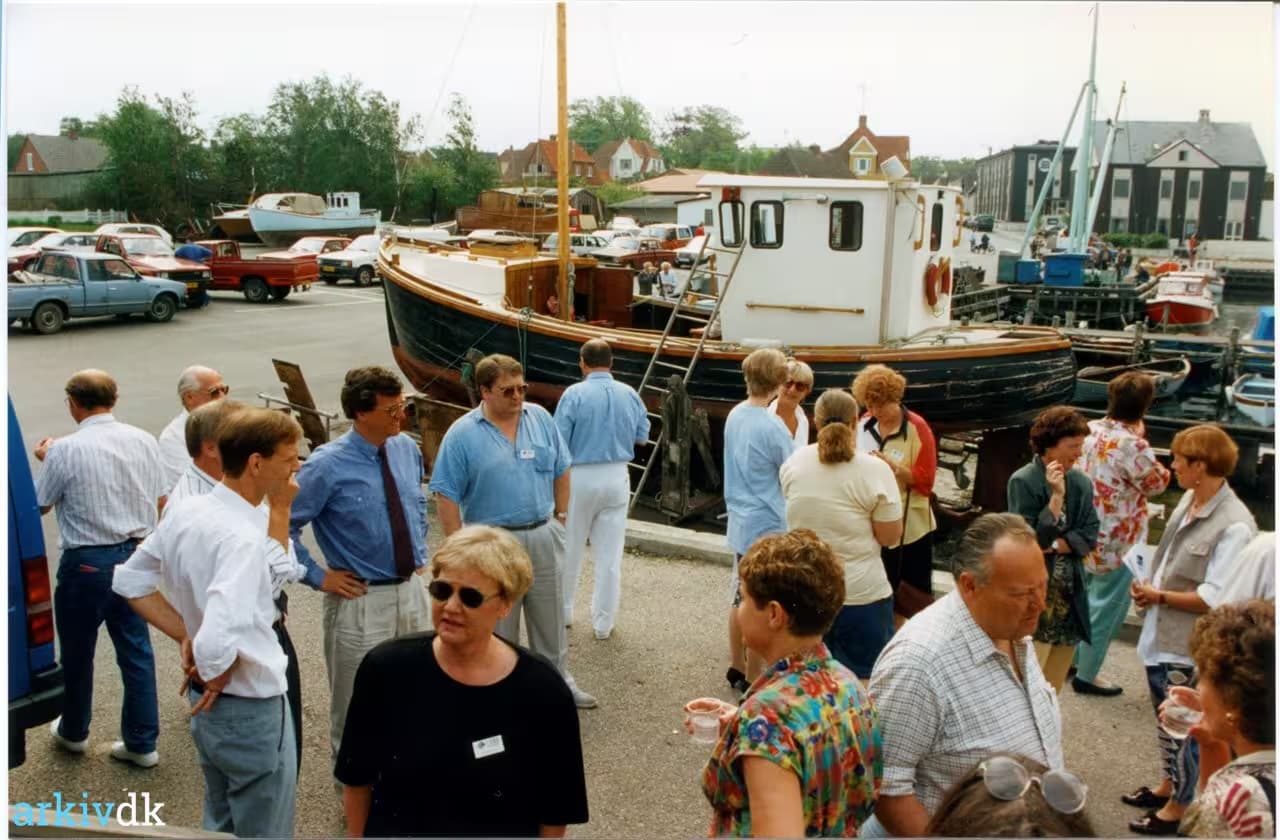
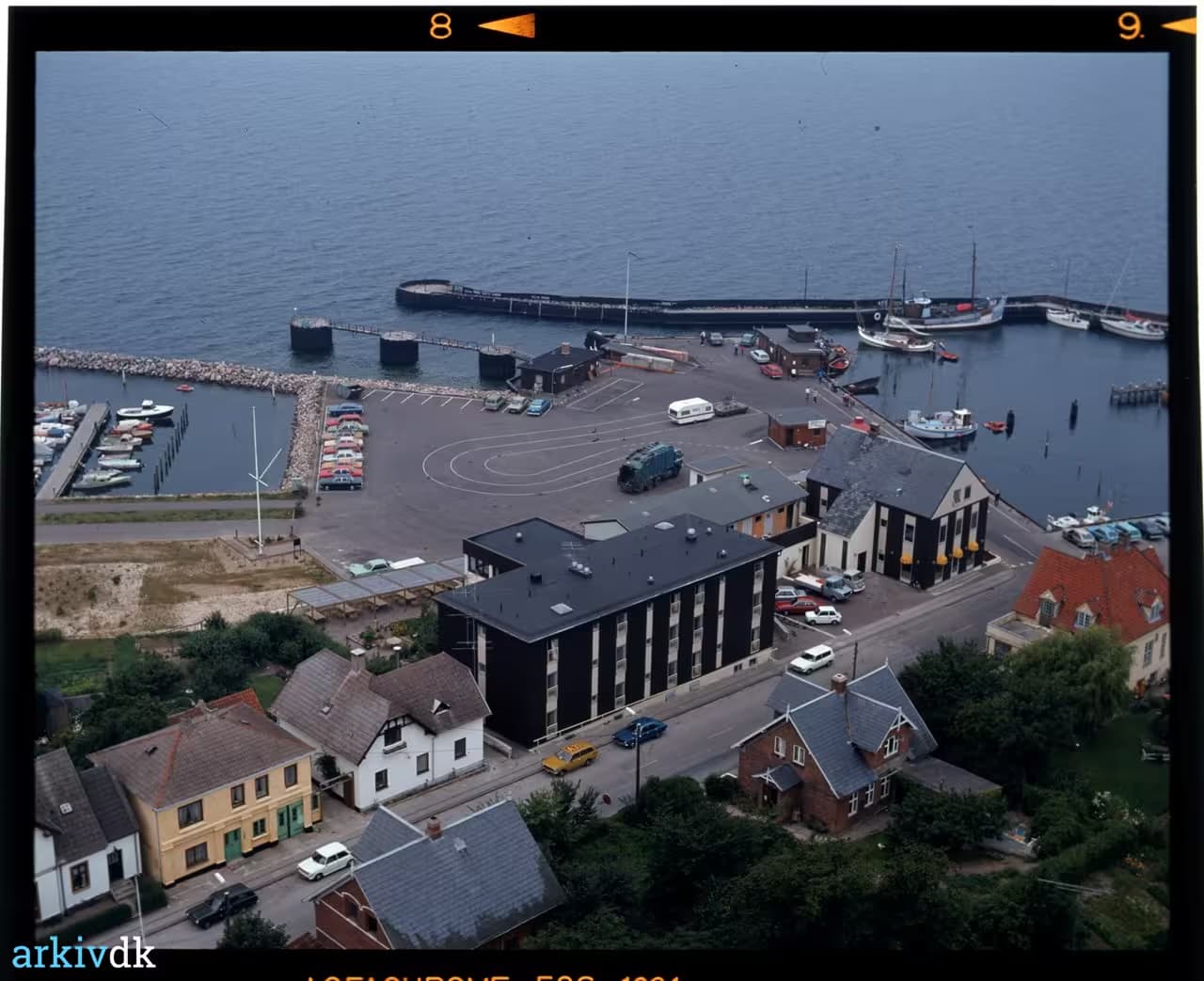
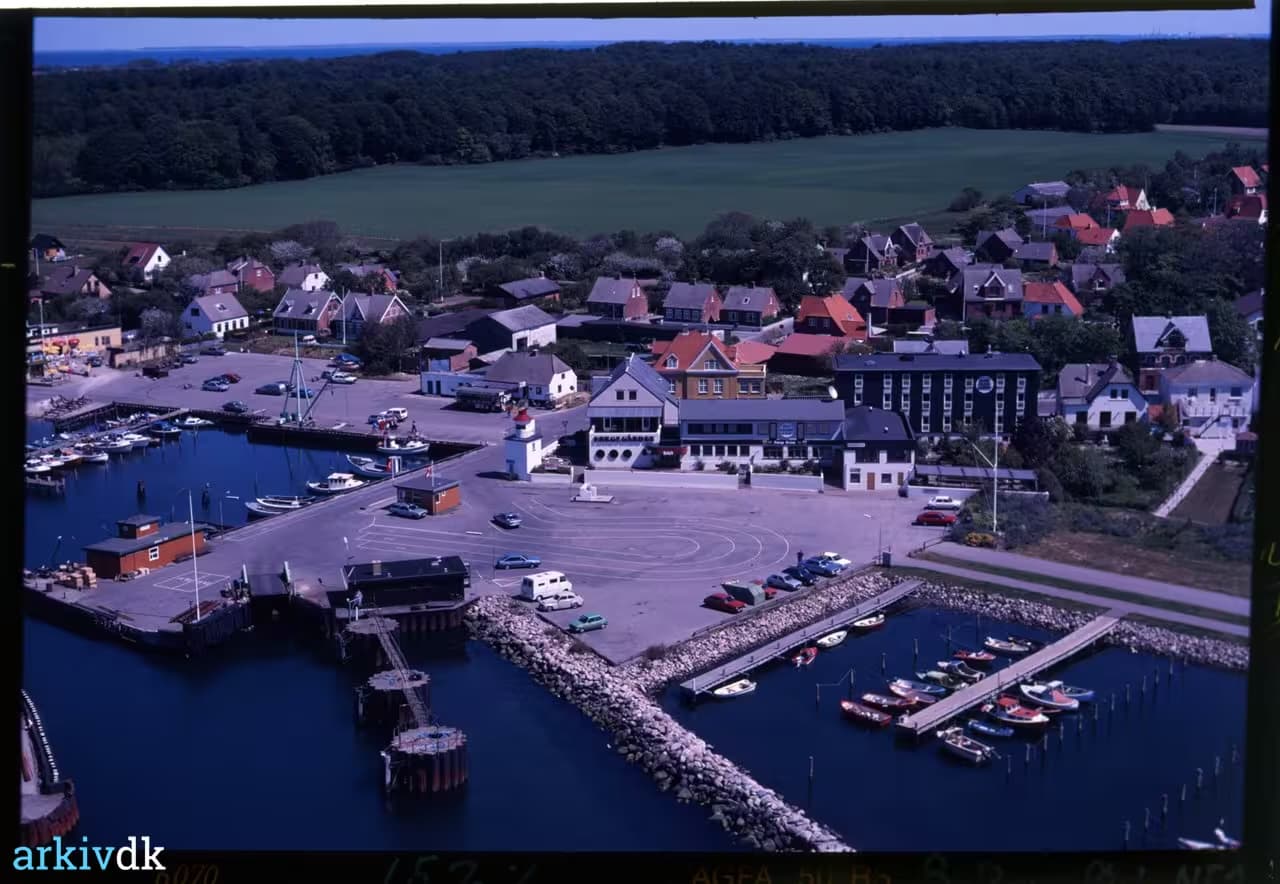
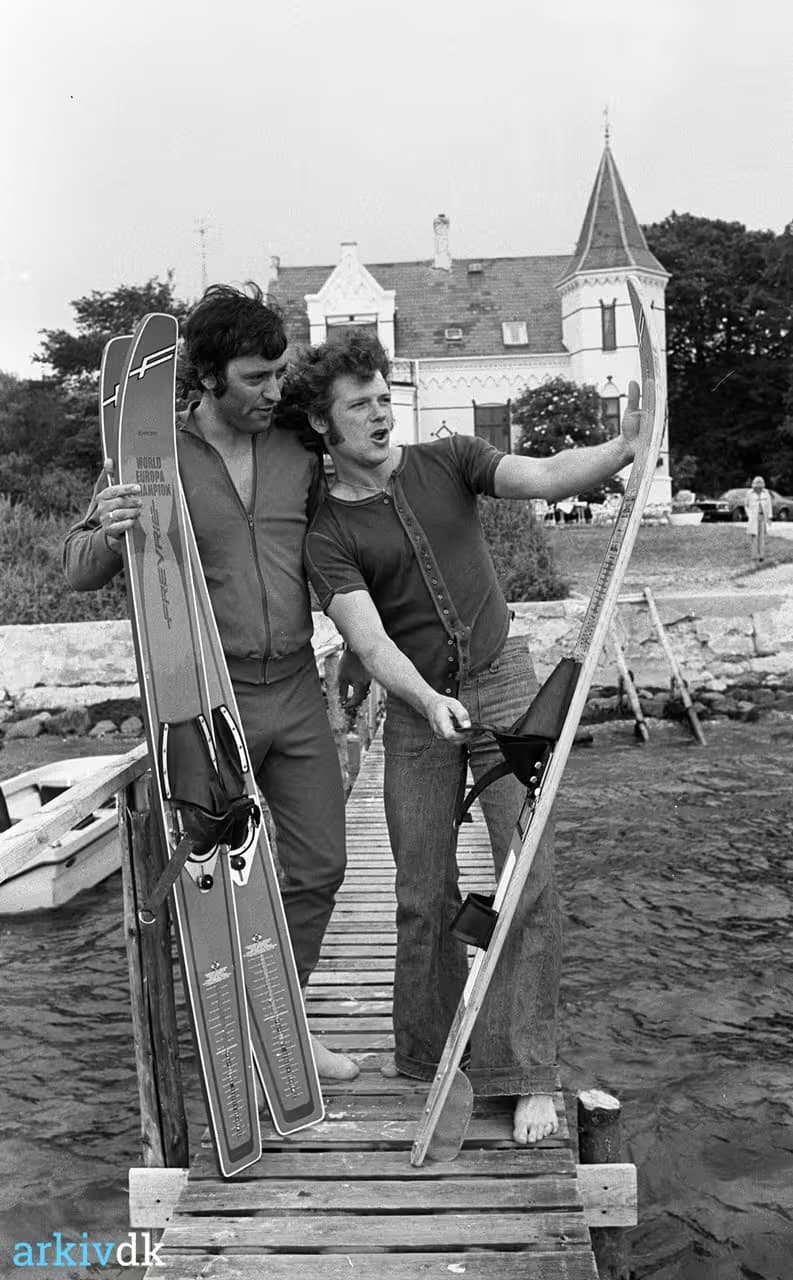
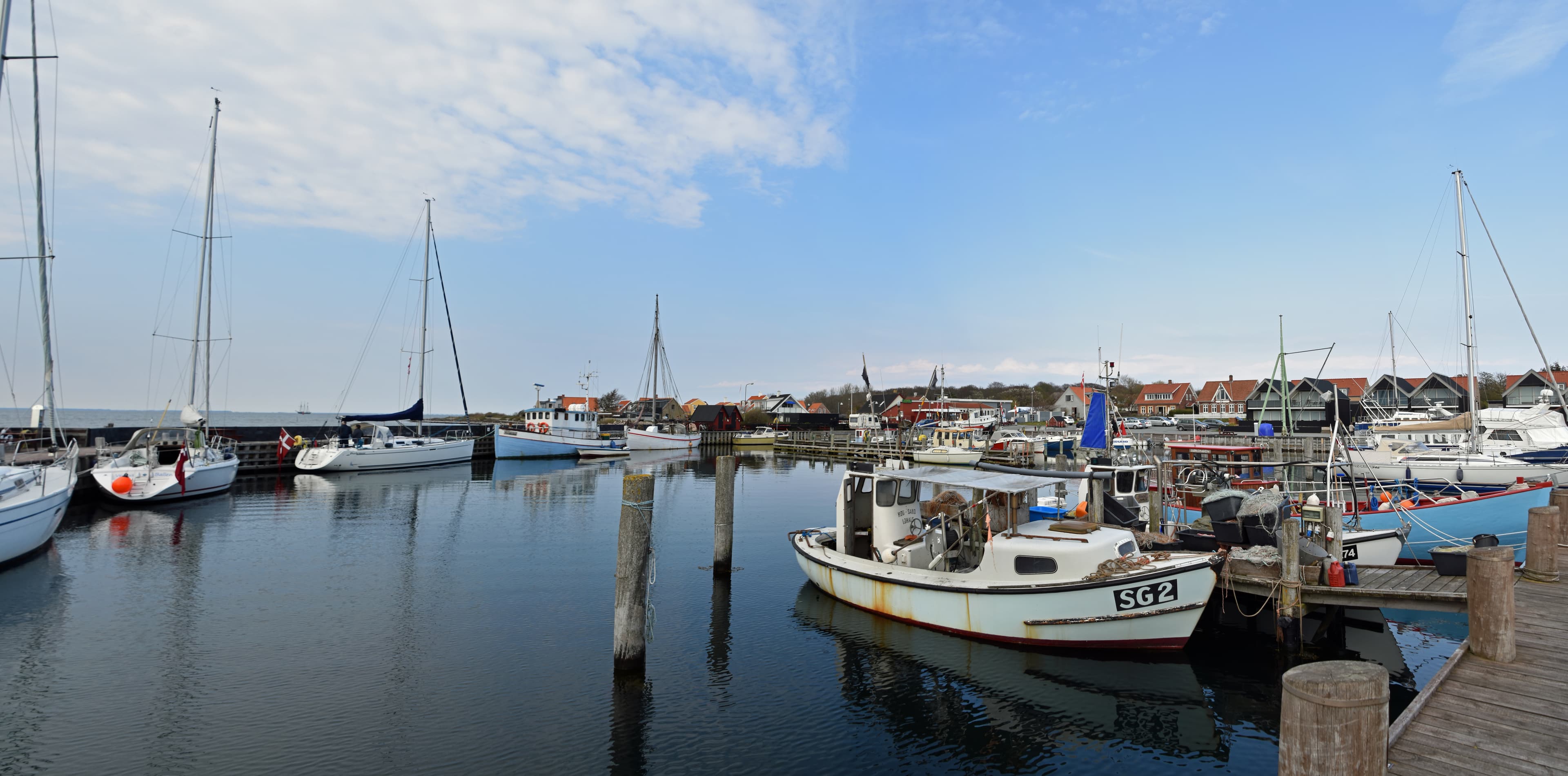
But Lohals did not disappear. Instead, the town found a new rhythm. Where the harbour had once been full of fishing boats, leisure sailors and holidaymakers now arrived, and in 1980 the harbour was extended to the south with a marina for the ever-growing number of recreational sailors. The old fishermen's cottages were restored, and in summer the harbour filled up again – this time not with fishermen, but with families who came to enjoy the nature, the music and the community.
Lohals today
Today around 550 permanent residents live in Lohals. The harbour is an active marina and also forms the endpoint of the Øhavsstien hiking trail, and the town is part of the UNESCO Global Geopark Det Sydfynske Øhav (South Funen Archipelago) due to its cultural-historical significance.
Much of what happens in Lohals today – harbour festivals, markets, local community life – is carried by people who care about their town. The town hasn't grown to attract tourists; it has grown because it's alive. Standing on the pier watching the sun set over Funen, one might understand why people linger a little longer than planned.
It's hard to say exactly when Lohals "came into being", because there was never a single moment when someone decided it. The town grew out of necessity, will and stubbornness – through war and peace, boom and decline. And perhaps that's exactly why it still stands so strong today: because it wasn't built to be anything in particular, but to be a place where people can live.
Images from the archives
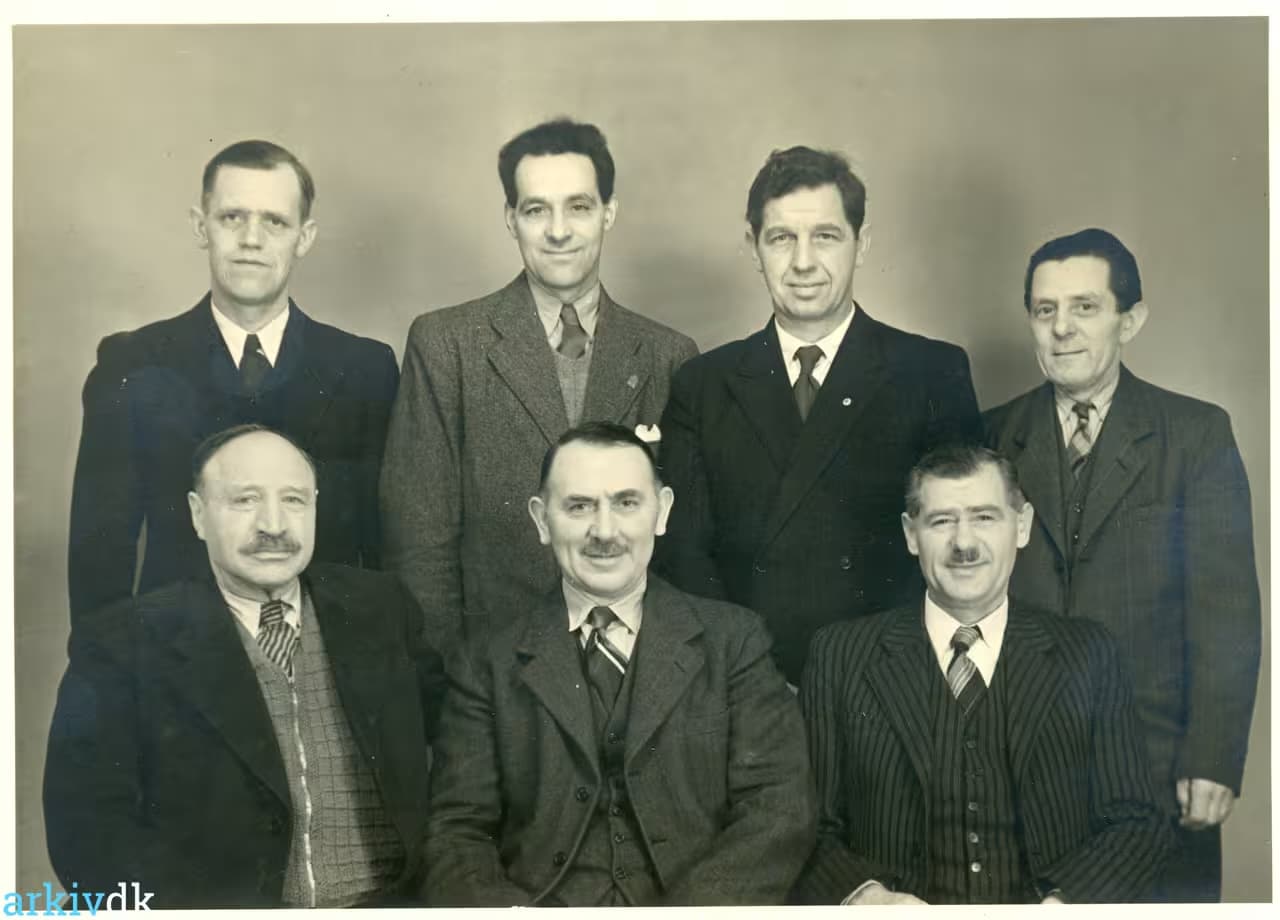
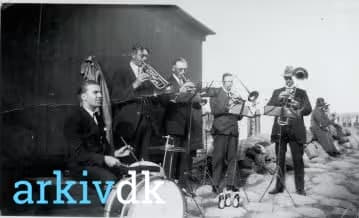
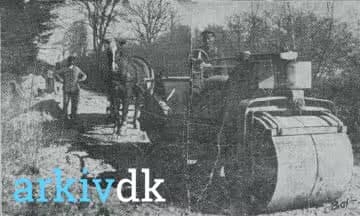
The images below come from Danish local archives and are used with permission.